Somatic Experiencing Consultation Groups
4 week mentoring and practice offering support towards deepening your somatic skills, potency and therapeutic effectiveness
“Thank you for providing such a nourishing space for us to dive into our SE curiosities. The wisdom shared was incredibly helpful and yet even more impactful was the container you created, one in which I felt like there was space for all of me to be welcomed, without judgements or pushing/pulling. Truth can feel like a rare thing to experience in the world, and I got a taste of it in our time together. I hope to join for future consults as I know it is an important tune up for me and my work as well as a great opportunity to connect with others.”

Receive 3 credits towards Somatic Experiencing group consultation hours at all levels.
This is a dynamic and collaborative learning experience on zoom. A unique circle of gathering to deepen our practice with our clients, each other and with the world.
A mentoring circle with eight colleagues that offers support, coaching and encouragement towards learning edges in deepening your somatic experiencing practice.
These groups are intended to support SE students at all levels, post advanced students and SEPs. Your wisdom is welcome. We will cover cases, questions, curiousities and do somatic practice together.
Each week begins with a guided somatic arriving which is followed by building our agenda together. For the first week we will spend time getting to know each other through introductions.
Final group of 2026. CLICK ON DATE TO REGISTER>>>
mondays, november 2, 9, 16 & 23
Our first meeting on NOV 2nd will be 3 hours, 12pm-3pm Eastern Standard Time. The remainder of meetings will be 2 hours weekly for a total of 9 group consultation hours which translates to 3 SE credits towards beginner, intermediate or advanced year.
SE students at all levels earn 3 credits total towards SE completion, 9 hours total group time
Registration $275
Overview

We’ll build a supportive container to support your growth, confidence and capacity as a practitioner
Weekly for 4 weeks: 9 hours total
Week 1 is 3 hours, weeks 2, 3 & 4 are two hours
Receive 3 credits towards Somatic Experiencing group consultation hours at all levels
8 participants max each group
Each circle will be recorded so you can refer back to it or if you need to miss one, you’ll be able to watch it later.
Possible topics
Embodied attunement and vibrant ventral vagal engagement
Consent based practice
Case consultations with collaborative Q & A and discussion
Power and identity dynamics between practitioner and client
Activation and deactivation cycles of the nervous system
Listening in between the lines and into the non-linear field
Somatics and group work
Practitioner energetic hygiene
Chronic trauma related to non-dominant identities
Intergenerational and historic trauma in the client’s history
Integrating trauma work into bodywork
Plus whatever topics you bring to our group!
Investment and agreements:
$275 USD
Payment plans available, email sage@embodiedliberation.com to inquire.
Eligible for 3 credits towards Somatic Experiencing certification
You may miss one week (except the first week) and still receive credit as long as you watch the recording which is sent out every week.
Questions? Email Sage at sage@embodiedliberation.com
Signed session logs
For SE students, 9 hours of SE group consultation counts as 3 credits of group case consultation towards your SEP certificate requirements. Following your group consultation, you will receive a follow-up email confirming your attendance at the group consultation. This email can be submitted to SETI with your other log sheet requirements for completion of the Somatic Experiencing Practitioner criteria.
Somatic Experiencing Individual Consultations
Deepening SE practice and understanding with support
1 credit towards your SEP per consultation hour
I offer 1-on-1 Somatic Experiencing (SE) consultations to support your journey toward SEP certification. For over 10 years, I have worked with SE students worldwide, from various professional backgrounds, to help integrate SE skills, theory, and practice. Together, we can explore your specific cases and dive deeper into the themes you want to focus on.
The consultation fee is $130. You can book a session by clicking HERE.
If the available days or times do not work for you, please email me at sage@embodiedliberation.com, as I often have other openings in my calendar.
SOMATIC ACCOMPANIMENT + SUPPORT
I work with organizational and community leaders who are looking for support, somatic exploration and change. Email sage@embodiedliberation.com to inquire.
SE Personal sessions
I offer SE personal sessions for all levels of SE. You will receive 1 credit towards your SEP, $130. Book HERE.
SE INDIVIDUAL CASE CONSULTATIONS
SE Consultation is an integrative aspect of SE training. The intention of a case consultation is to enhance and deepen your understanding and application of SE. Credit provided at all levels and signed form will be sent after consultation. Consultations are 1 hour at $130
You can book here.
SMALL GROUP CASE CONSULTATIONS MENTORING
Group Case Consultations for groups of 6-8 SE students looking to deepen SE practice together.
If your group is interested in scheduling, please reach out to sage@embodiedliberation.com with best days/times.
1 1/2 hour group consultation = .5 small group consultation credit, 3 hours = 1 consult credit for SE students at all levels
1.5 hour is $45 pp with minimum of 4 ppl, 3 hour is $90 pp with a minimum of 4 ppl. 8 people max per SE policy.
GROUP PARTICIPANTS SHARE THEIR EXPERIENCE:
“Your steady presence and ability to join with each participant and the group as a whole. Ability to respond to the questions submitted ahead of time as well as the organic flow of the conversations. Super helpful coaching around ways to integrate SE effectively in social justice and group work contexts.”
“I liked how you made a point to make the information practical, easy to apply clinically. Also, it was a good combination of staying on point but allowing for some interesting tangents.”
“Your depth of experience, and the way you create a really safe space for beginners to explore SE skills - learning from others' experiences.”
CONSULTATION FOCUS AREAS ARE:
SE Basics - theory, tools and techniques
Embodied presence
Developmental trauma
Integration of bodywork and SE
Deepening therapeutic touch work
Creating conditions for transformation
Relational rhythm and coherence
Social justice dynamics
LGBTQ+
Adoption
INTEGRATING SE THEORY AND PRINCIPLES AT CONSULTATIONS
SE Consultation is an integrative aspect of your SE training. The intention of a case consultation is to enhance and deepen your understanding and application of SE.
It will allow time for you to ask personalized questions as well as help you integrate SE work into your specific practice. Together, we will focus on areas most helpful for your SE learning.
Each consultation will start with a round of introductions of attendees, your primary practice, application of SE and any specific questions you are bringing to the consult.
You will then be invited to share a brief (and confidential) description of your client and their background (around 5-10 minutes depending on the complexity of their history and presentation). We will then explore aspects of the case and dive deeper into assessment about what is working and where different aspects of SE application might be applied.
We will have time for 1 case to be presented and also diving into various SE topics
BEGINNING YEAR TOPICS:
The physiological basis of trauma and identify how maladaptive physiological responses to threat, and their lack of resolution, may contribute to the formation of PTSD symptoms.
Tracking sensory and sensory-motor experience in clients and convert other elements of experience into sensory and sensory-motor experience.
Working through disorganized sensory and sensory-motor experience using the concepts of orientation, stabilization, containment, resourcing, titration, pendulation, and self-regulation to discharge un-discharged arousal in order to help organism return to homeostasis.
Identifying adaptive and maladaptive physiology of activation and deactivation in animals and human beings exposed to threat and its aftermath, such as incomplete orienting and defensive responses of fight, flight, and freeze.
Working with language that supports the tracking of sensation.
Understanding the function of the threat response cycle including: the preparatory and defensive orienting responses; the startle response, the protective/defensive survival responses, and the exploratory orienting response.
Identifying the function of the sympathetic nervous system (SNS) and the parasympathetic nervous system (PNS) in the threat response cycle.
Identifying symptoms of, evaluate, and restore ruptured boundaries.
Proficiency at tracking skills, titration of client's arousal levels, and establishing continuity through the felt sense.
The ability to empower clients to establish, complete and discharge defensive orienting responses, and fight, flight and freeze protective survival responses.
Understanding of, and skills in working with, the elements of internal experience as presented in SIBAM model: Sensation, Image, Behavior, Affect and Meaning.
Basic knowledge and skills in working with coupling dynamics (under- and over-coupling). Begin to understand how coupling dynamics can relate to the elements of SIBAM.
Distinguishing between joining and merging with client experience. Identify the signs of merging and demonstrate the establishment of healthy joining/attunement with client.
Identifying different types of touch common in Somatic Experiencing® sessions.
Facilitating the re-regulation of the ANS by restoring gentle cycles of sympathetic and parasympathetic interplay.
Expanding a client’s tolerance of their bodily sensations; begin to uncouple the fear response to the traumatic event.
INTERMEDIATE TOPICS:
Identify the hallmarks and common symptoms of a nervous system displaying Global High Intensity Activation (GHIA).
Identify the key defensive impulses, symptoms and typical coping mechanisms of pre-and peri-natal trauma.
Demonstrate understanding of, and skills in working with, High Impact Accidents/Failure of Physical Defense (motor vehicle accidents, falls, etc).
Demonstrate understanding of, and skills in working with inescapable attack (animal attack, rape, sexual abuse, escape inhibited).
Demonstrate understanding of, and skills in working with, High Impact Accidents/Failure of Physical Defense (motor vehicle accidents, falls, etc).
Demonstrate understanding of, and skills in working with, rape and sexual abuse.
Demonstrate understanding of, and skills in working with, physical injury including: surgery, poisoning, and burns.
Demonstrate understanding of and skills in working with anesthesia trauma.
Identify ways to help prepare children and adults for surgery to minimize trauma.
Demonstrate understanding of, and skills in working with, Natural Disasters i.e. earthquakes, fires, tornadoes, floods, social dislocation from the natural world and community.
Demonstrate understanding of, and skills in working with, Horror i.e. seeing an accident (especially with blood, gore); watching someone else be abused, raped, killed or tortured; killing or hurting someone yourself.
Demonstrate how to work with survivor guilt and the conflicting impulses toward personal survival and helping others.
Demonstrate understanding of, and skills in working with, Torture and Ritual Abuse i.e. war torture, repeated rape in war, concentration camp, and systematic abuse (sometimes with the person drugged).
Identify the dynamics of symptom formation in, and demonstrate how to work with clients displaying symptoms of, emotional and/or developmental trauma.
ADVANCED TOPICS:
SE™ concepts of coherence and containment and their importance in working with syndromal patterns.
Coherence
The role of the three key systems in the Polyvagal Theory: Dorsal Vagal System (DV), Sympathetic Nervous System (SNS), Ventral Vagal System (VV).
Characteristics of the dysfunction found in the Autonomic Nervous System (ANS) as per the SE™ definition of syndromes.
How titration is critical in working with SE™ syndromes.
Application of the Energy Wells model of working with syndromes
The ability to apply titrated stimulations to ANS responses within the category of SE™ defined as syndromes.
Ability to track coherence via touch
SE™ model of working with joints
Identify at least 3 of the body diaphragms
SE™ model of working with diaphragms as containers of affect
Order of focus for touch work as used in the SE™ model, and identify clinical reasons that the usual order may be varied in particular situations.
Visceral work allows direct intervention with the dorsal vagal system and its feedback loop.
Ethical standards for the use of touch which are applicable to each trainee’s scope of practice, depending on type of professional licensure and training.
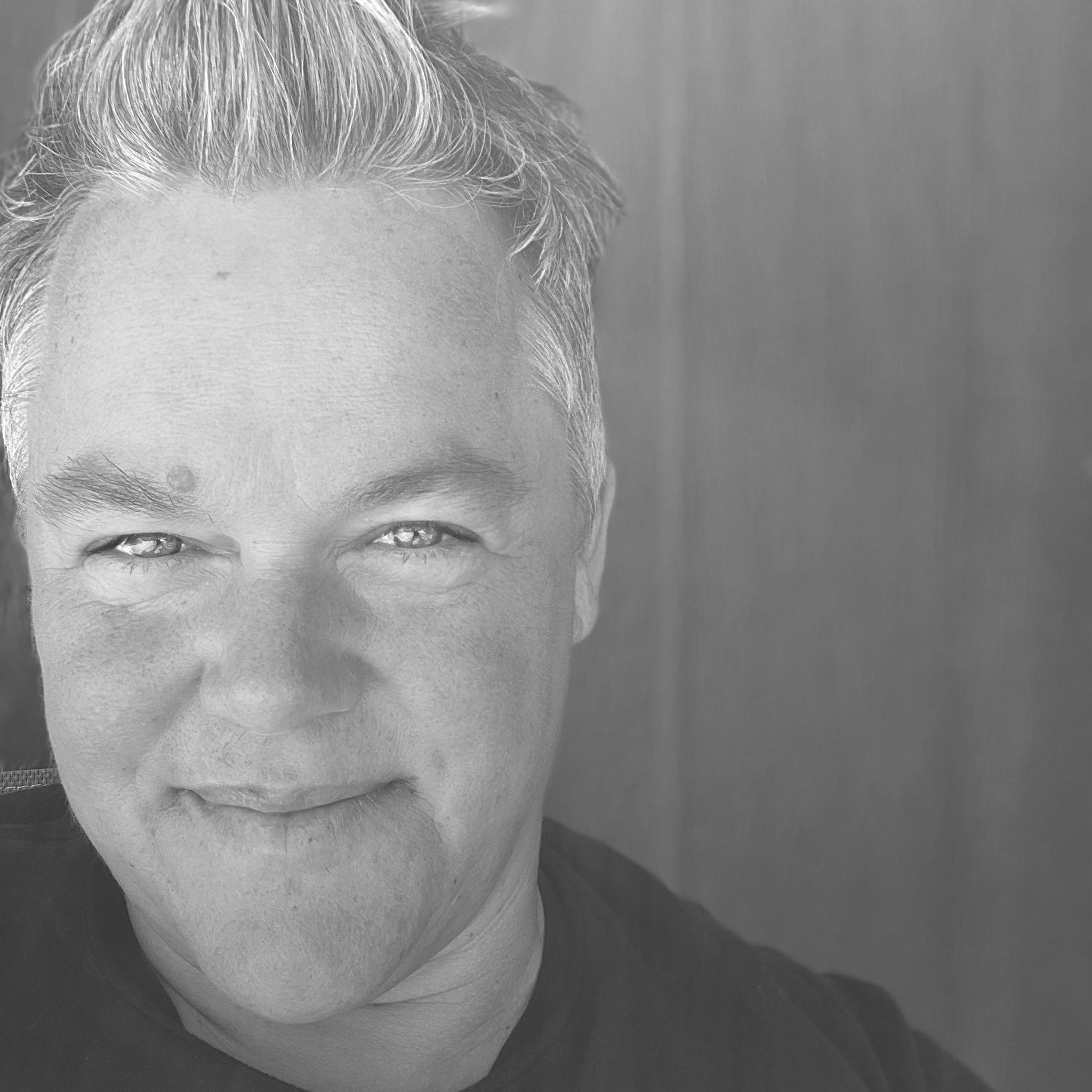
Sage Hayes, SEP, LMT
Sage’s Somatics Background
Sage Hayes, SEP, LMT (she/he/they) is a devoted healing arts practitioner who believes wholeheartedly in individual and collective transformation. Exploring lineage, embodied presence and emergent relational care are the threads braided together in Sage’s work. Sage is a somatic experiencing practitioner of 18 years, a bodyworker with a massage and biodynamic craniosacral therapy background and an enthusiastic practitioner and student of family/systemic constellations. Sage was a lead teaching assistant with the Somatic Experiencing Institute, has been a practitioner with the Decolonizing Wealth Healing Collective and a facilitator with Healing Cycles of Harm program. Sage is also beginning to co-lead restorative nature retreats for healing practitioners.
Sage offers SE group case consultation, individual consultation and person session credit at all levels. Sage integrates a blend of somatic experiencing with many other modalities and philosophies.
Before entering the field of somatics, Sage worked as a consultant and facilitator in schools and organizations towards creating proactive safer spaces of inclusion, equity and kindness for LBGTQQA+ people. Sage’s personal experiences of being trans and adopted greatly inform their passion towards creating conditions, both one-on-one and in educational spaces, which nurture access and belonging for all participants. Sage co-created a wellness center in Portland, Maine called Justice in the Body, a collaboration community-based project which explored the dynamic question of how can we be free in our bodies in an unfree world? From the micro to the macro, from the past to the future, sage believes healing begins and ends in the now, with care and in collaboration with forces of wholeness much bigger than us.
As a white bodied person living on unceded Wabanaki territories, Sage believes that being anchored in some understanding and embodiment of our identities and lineages is essential to practitioner holistic attunement. As an adoptee Sage brings a keen eye to early childhood attachment disruptions and the adaptations that follow. As a family constellation student Sage also incorporates lineage disruptions and loss as integral to understanding our clients. Over the years Sage has practiced and offered massage therapy, craniosacral therapy, polarity, yoga, kickboxing to tap healthy aggression, ecstatic dance, constellations and somatic experiencing in a wide range of ways. In 2018 Sage co-created a research project exploring SE application in groups, specifically within the trans community. Also in 2018 2018, Sage presented a lecture and workshop called Somatic Practice with Marginalized Communities at the SE European Conference in Potsdam and moderated the final panel with Peter Levine, Marianne Bentzen, David Reis and Heike Bill.

Sage is rooted in deep embodied practices of listening for healing movements, love and liberatory co-evolution.